Full Roof Replacement Done Right in New Orleans
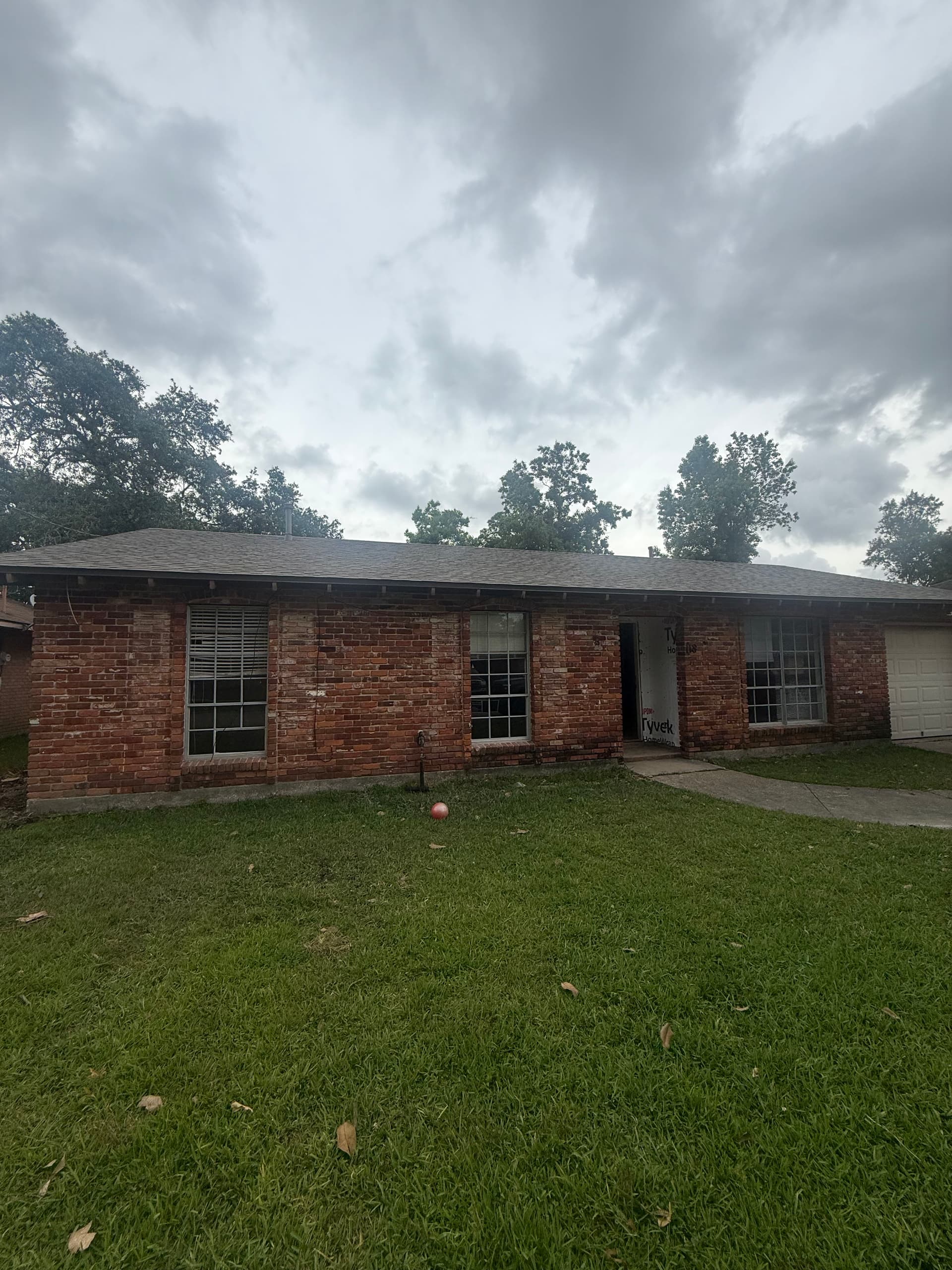
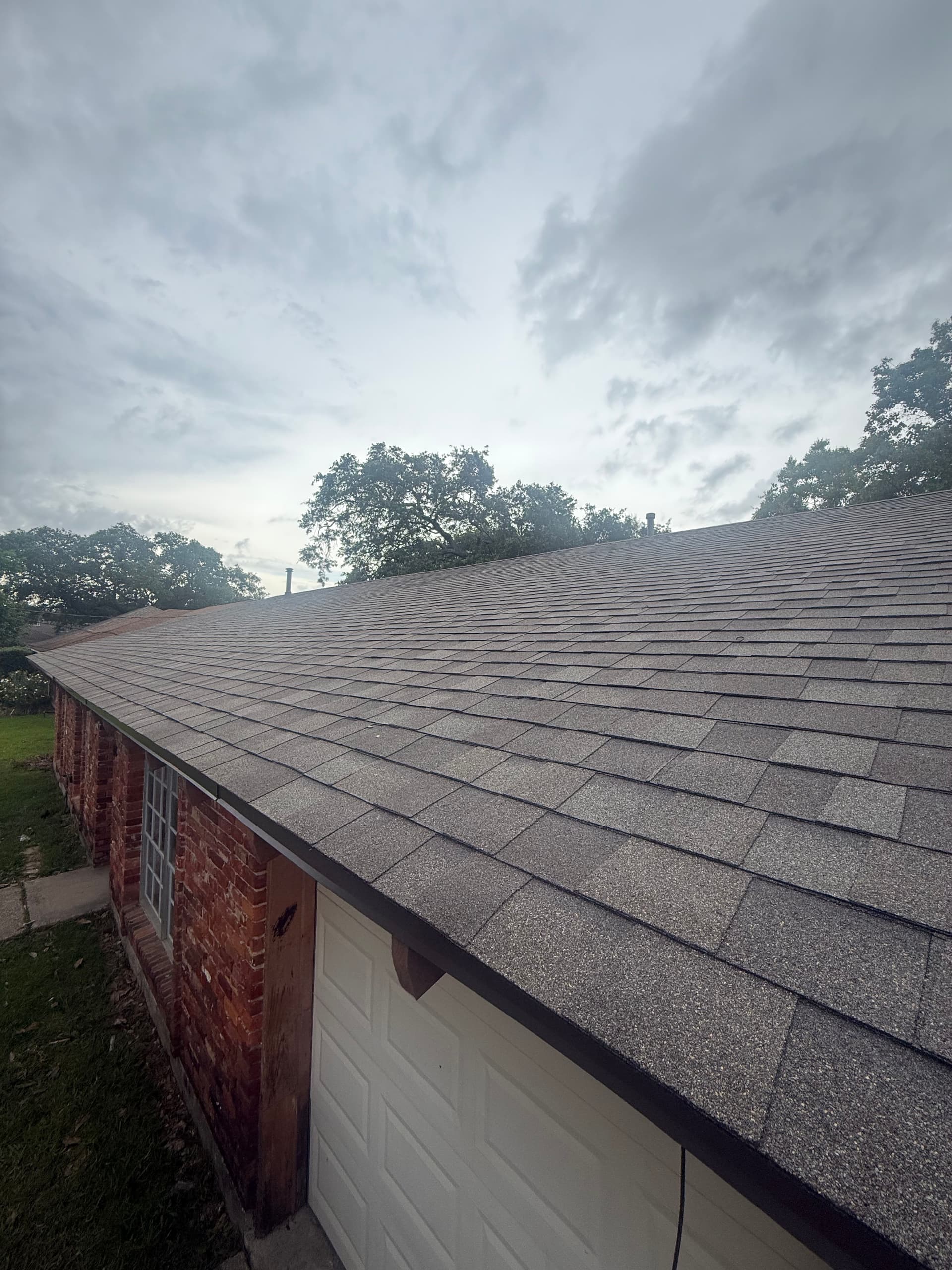
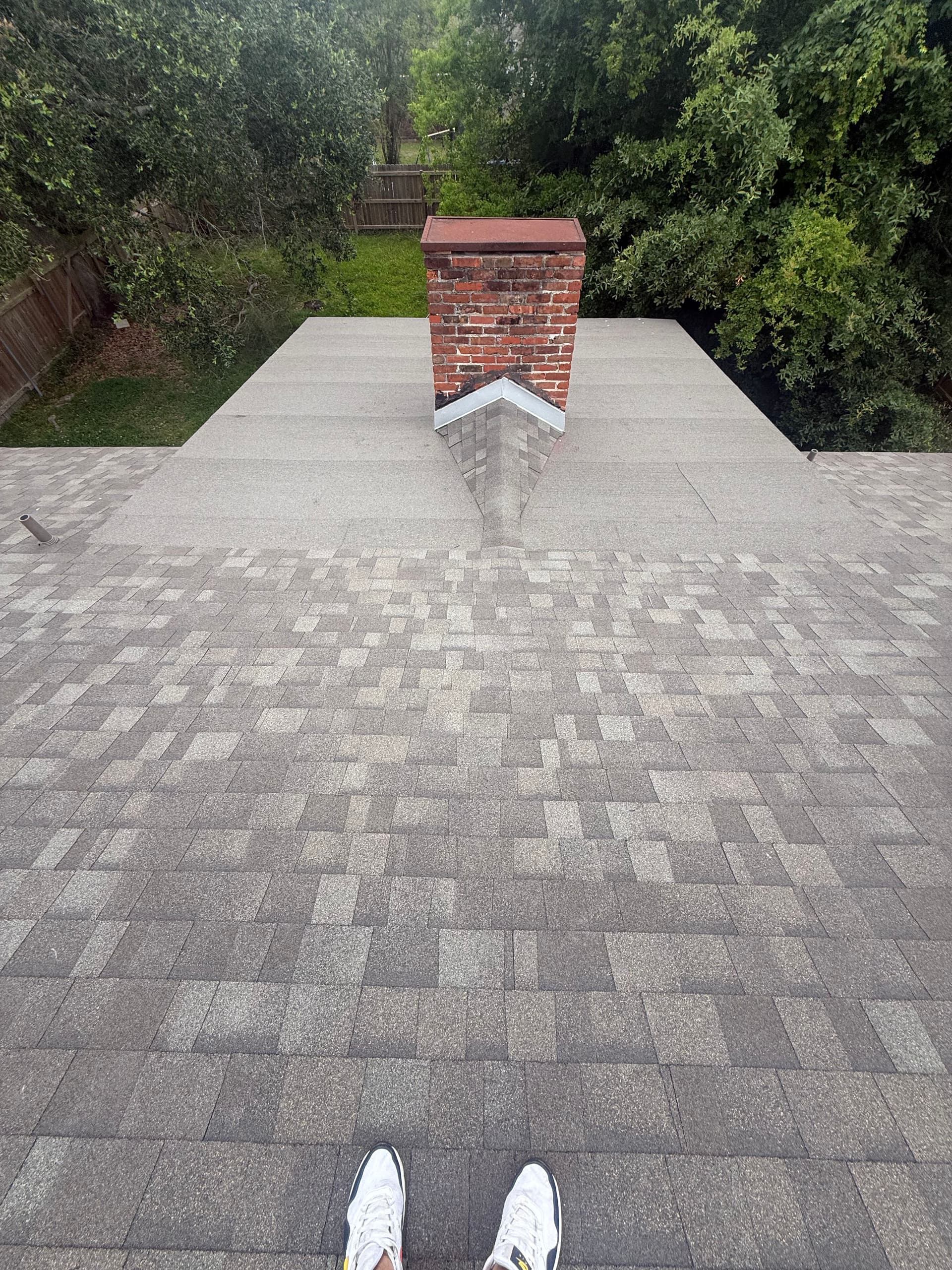
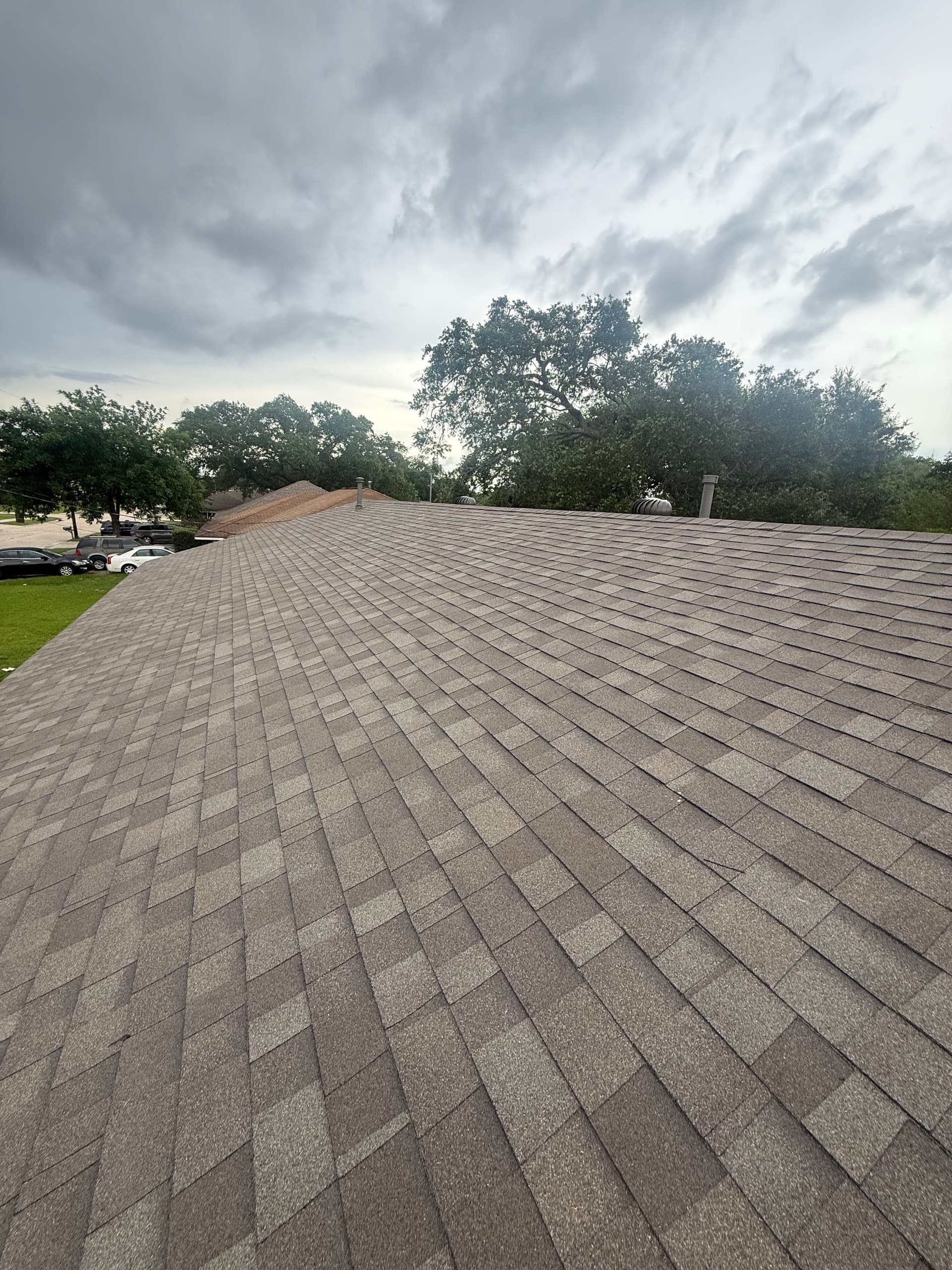
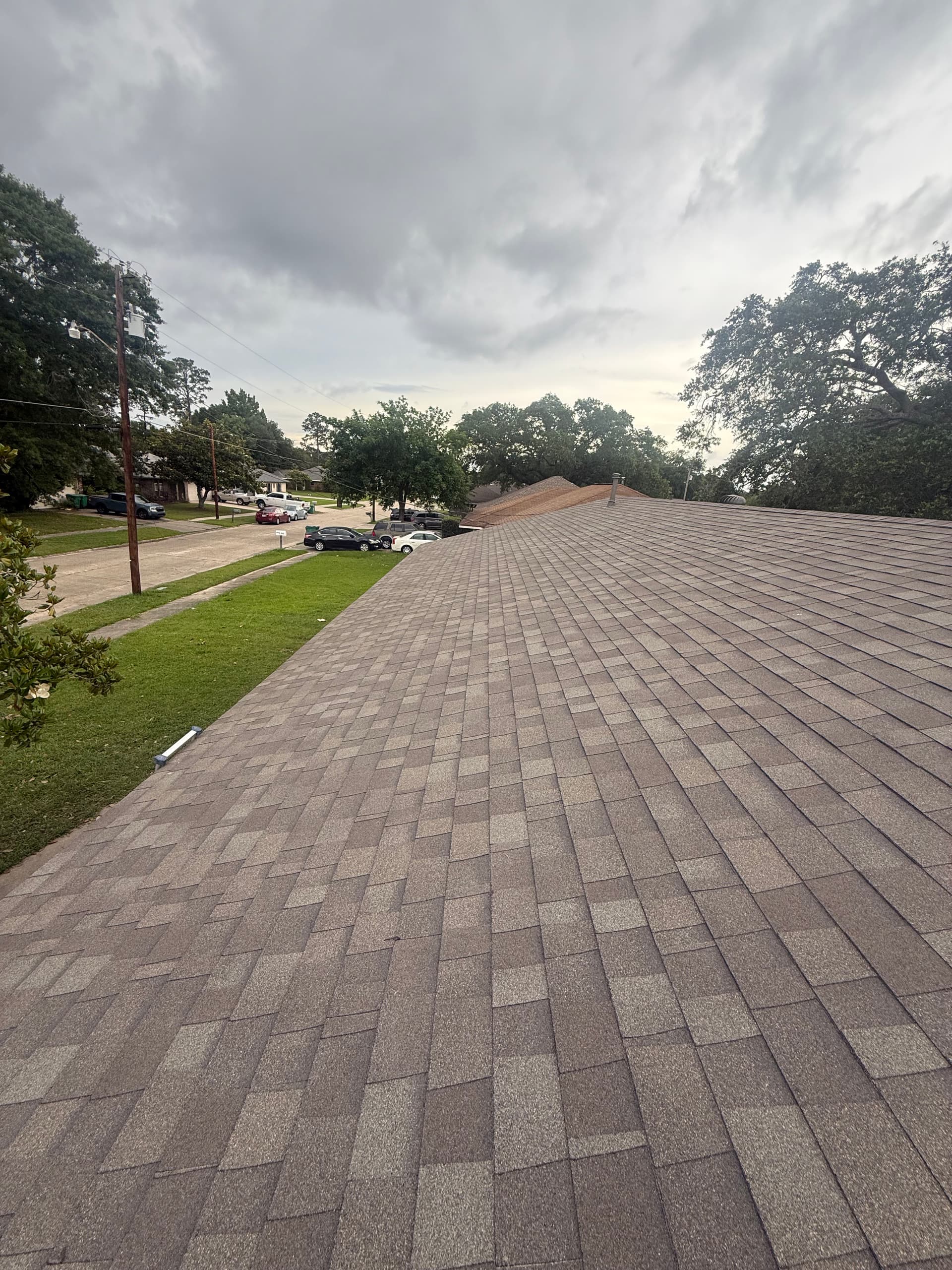
A lot of roofing companies will slap new shingles over an old, failing system and call it a day. That's not how we operate. When we replace a roof, we start from the ground up - and that means dealing with whatever we find underneath, not just what you can see from the street.
On this New Orleans home, that meant pulling everything off and replacing the decking to bring it up to current code. Old decking is one of those things that often gets skipped over in a rush to finish fast. But if the surface underneath your shingles is compromised, the new roof sitting on top of it won't last like it should. We weren't willing to take that shortcut.
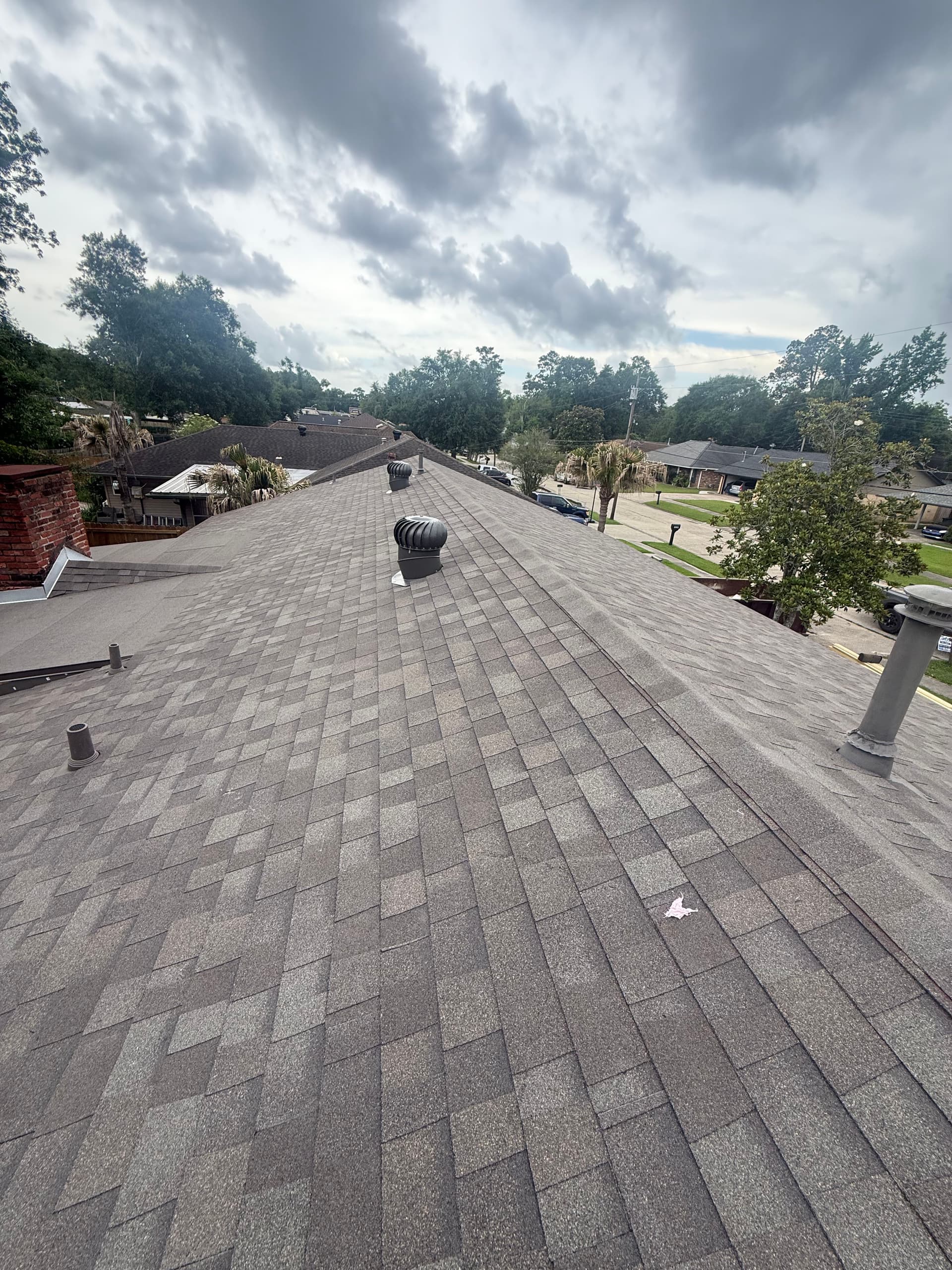
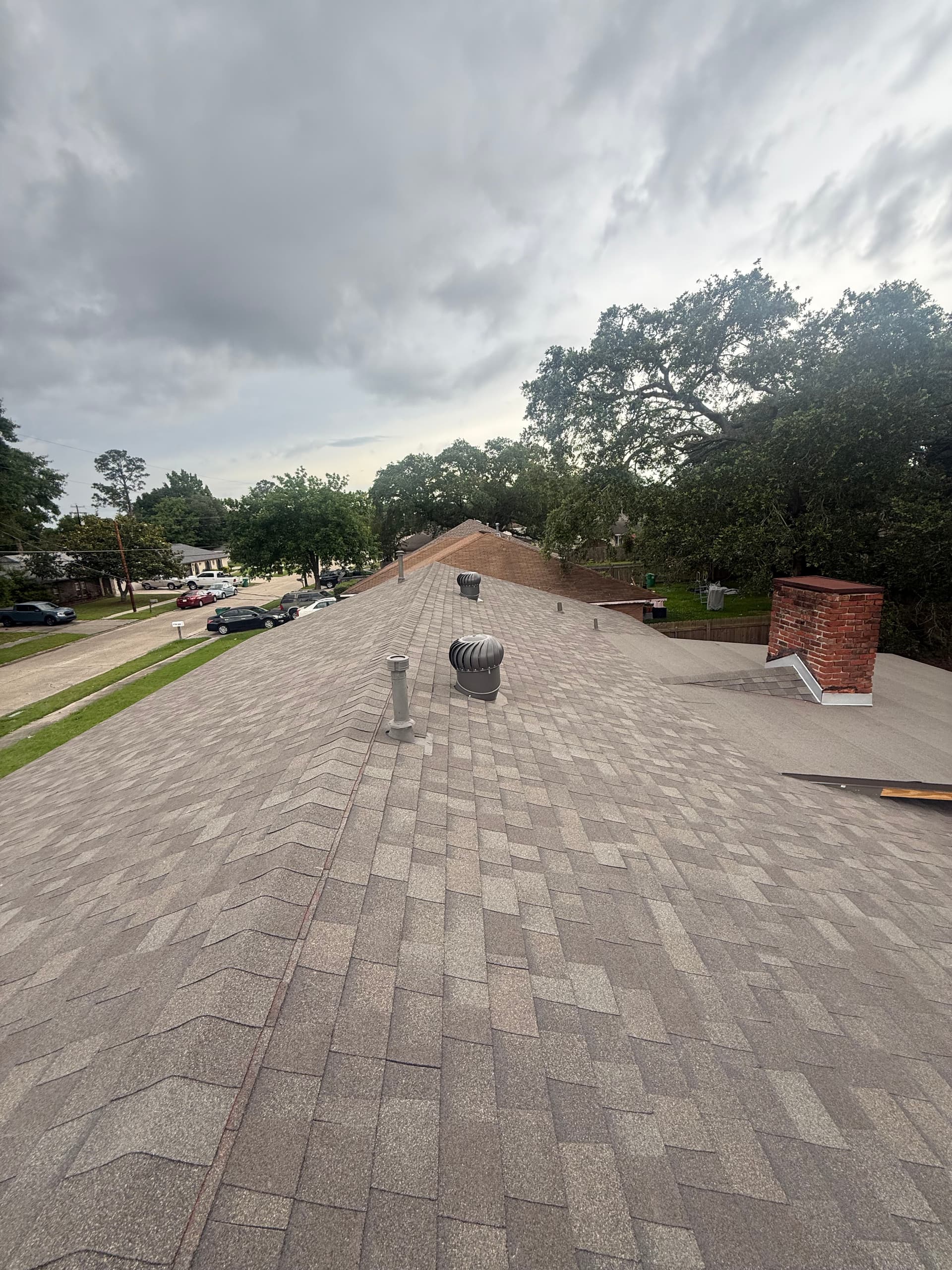
From there, we laid fresh waterproofing membrane and installed new flashing at every critical transition point - the chimney, the vents, the eaves. These are the spots where water finds its way in. Getting them right isn't optional. It's the whole job. The shingles are the last line of defense, not the first.
What you end up with is a complete system working together - not just a surface-level fix. That matters a lot in a place like New Orleans, where the weather doesn't give you much warning. A roof built the right way gives you confidence when a storm rolls through, not anxiety.
This is what a residential roof installation should look like when it's done without cutting corners. If your roof is getting up there in age or you've had repairs stacking up over the years, it might be time to take a real look at what's going on underneath.